Key Takeaway
- Agile leaders must understand AI technologies and their business applications to spearhead Agile leadership development effectively.
- Developing data literacy is necessary for interpreting AI-driven insight and making informed decisions.
- Ethical AI usage and aligning AI integration with organisational goals are vital to responsible leadership in Agile environments.
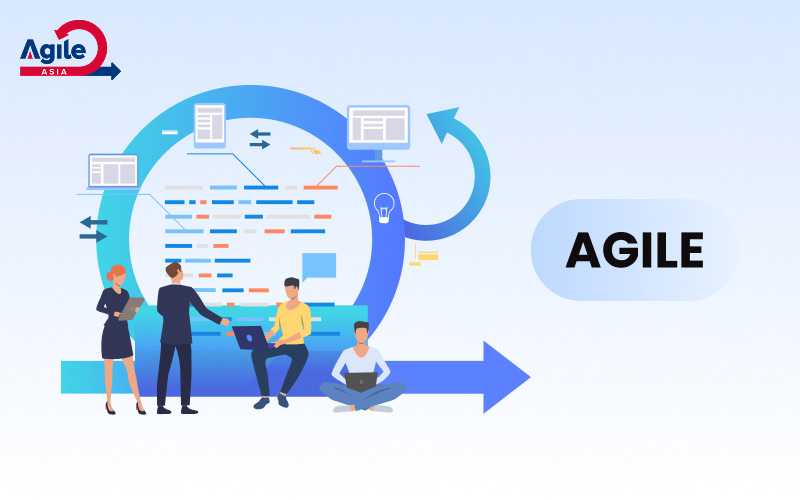
Artificial intelligence (AI) is increasingly prevalent in our lives, including the corporate landscape, reshaping how businesses operate and how Agile teams function. For Agile leaders in Singapore, embracing AI is becoming a critical part of their leadership journey. Agile leadership development now involves learning new AI skills that help leaders guide their teams with confidence in an increasingly digital workplace. Here are some of the AI skills that every competent Agile leader should learn as soon as possible.
Understanding AI and Its Business Applications

To lead effectively in today’s fast-paced environment, Agile leaders must have a clear grasp of AI technologies and their potential. This knowledge goes beyond the technical details; it involves understanding how AI can transform business processes and improve team workflows. For example, AI-powered tools can automate repetitive tasks, provide predictive insights, and streamline project management, all of which are vital in an agile context.
By engaging in artificial intelligence courses tailored for business and leadership, Agile leaders will learn how they can utilise AI strategically. These courses often cover real-world case studies relevant to Singapore’s dynamic market, helping leaders identify opportunities for AI adoption within their organisations. Knowing how to integrate AI effectively is an indispensable part of Agile leadership development, ensuring that teams become more efficient and adaptive without losing sight of Agile principles.
Data Literacy for Informed Decision-Making
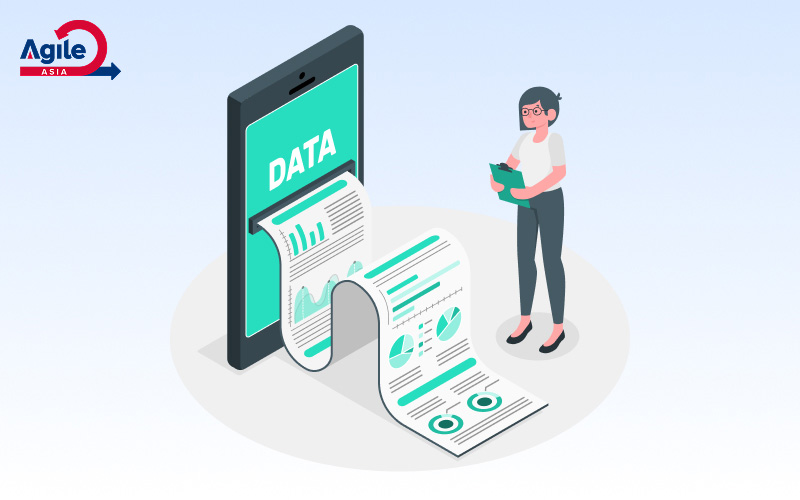
Data is the lifeblood of AI, and leaders must develop strong data literacy to harness its power. This means being able to interpret complex datasets, understand AI-generated reports, and translate analytics into actionable decisions. An Agile leader equipped with data literacy can better evaluate team performance, spot trends, and make adjustments that keep projects on track.
The global business landscape is becoming increasingly data-driven, so skills in this area are essential. Tech leadership AI training often includes modules focused on data analysis and decision-making frameworks that empower leaders to use AI insights effectively. By strengthening their data literacy, Agile leaders can support continuous improvement and drive value throughout their teams.
Creating AI-Driven Collaboration and Innovation

Agile leadership is built on fostering collaboration and innovation within teams. With AI becoming a central part of workflows, leaders must learn how to complement human creativity with AI’s capabilities. Encouraging teams to experiment with AI tools, from chatbots that streamline communication to predictive analytics that guide sprint planning, can unlock new efficiencies and spark innovative solutions.
A culture that embraces AI-enhanced collaboration will help teams make smarter, faster decisions whilst maintaining the flexibility that Agility demands. This is a key component of modern Agile leadership development which empowers leaders to inspire their teams to adapt and grow alongside technology.
Navigating Ethical and Responsible AI Use
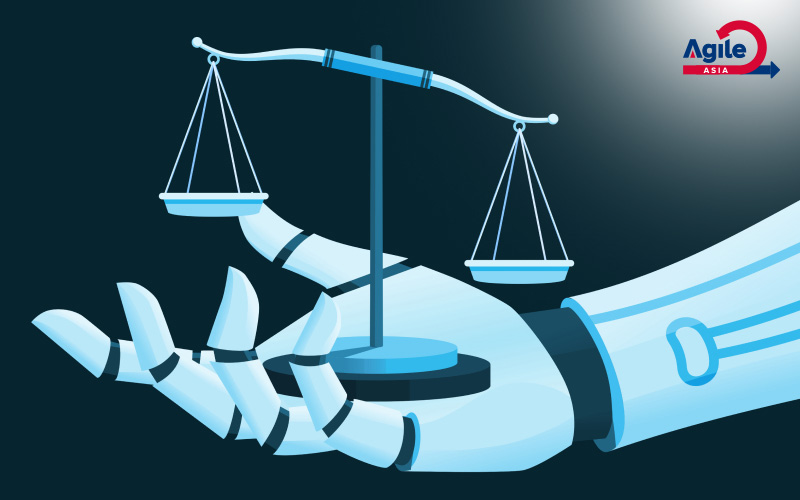
As organisations increasingly rely on AI, the ethical implications of these technologies cannot be ignored. Agile leaders must be well-versed in ethical AI usage, including data privacy, fairness, transparency, and accountability. This is particularly important in Singapore, where data protection laws like the PDPA set strict standards for responsible handling of information.
Training in ethical AI helps leaders recognise potential risks and navigate challenges related to bias or misuse of AI tools. Ultimately, Agile leaders who uphold ethical standards naturally find it easier to foster trust within their teams and amongst stakeholders, reinforcing a culture of responsibility and integrity.
Aligning AI Integration with Organisational Strategy

While Agile leadership development today is centred around AI adoption, it must also be aligned with broader business goals to achieve meaningful impact. Agile leaders play a critical role in ensuring that AI initiatives support customer value, scalability, and long-term success. This requires working cross-functionally to integrate AI with existing processes and transformation strategies.
Courses focusing on AI strategy and implementation provide leaders with frameworks to connect technology efforts with organisational priorities. By doing so, leaders ensure that AI is not an isolated experiment but a core element of Agile delivery that drives sustainable growth.
The future of Agile leadership hinges on the ability to adapt, collaborate, and innovate with emerging technologies like AI. Those who invest in Agile leadership development and gain proficiency in AI skills will be better equipped to lead teams through change with clarity and confidence.
As a leading Agile certification institute in Singapore, we at AgileAsia offer a multitude of programmes designed to help leaders develop these crucial skills, including artificial intelligence courses, Certified Product Owner certification, and AI-focused tech leadership training. These courses provide practical knowledge and frameworks tailored to the Singaporean market whilst equipping professionals with the tools needed to thrive in a global environment, ensuring you stay ahead both locally and abroad.
For more information about our courses and programmes, please contact us today.