Part 1: Introduction

1.1. The Changing Landscape of Project Management
Project management is evolving quickly, shaped by advances in artificial intelligence and a growing demand for sustainable business practices. In Singapore’s rapidly-moving economy, project managers are now expected to deliver outcomes that are not only on time and within budget, but also aligned with environmental, social, and governance (ESG) criteria. As a result, the profession is shifting towards a new set of core competencies.
AI is no longer a back-end support tool. From real-time reporting to task automation and intelligent scenario planning, it is fast becoming a key part of how modern teams work. This means AI skills for project managers are more essential than ever before, not only for using the tools, but also for guiding teams in how to work alongside AI responsibly and effectively.
At the same time, sustainability in project management is increasingly adopted by many organisations. Clients and regulators actively seek businesses with strong green project management practices, from reducing carbon footprints to selecting eco-conscious suppliers.
To remain competitive, project leaders must combine technical ability with environmental awareness. Building strong AI skills for project managers, alongside a practical understanding of sustainability, will be crucial for delivering future-ready projects that meet both performance and ethical standards.
1.2. Brief Overview of the Article
In today’s evolving work environment, project managers face dual pressures: adopting new technologies like generative AI and responding to growing sustainability demands. This article explores how these two forces are transforming project leadership and what it takes to stay ahead. It focuses on the practical AI skills for project managers and sustainability competencies that are becoming essential across industries, from construction and finance to tech and logistics.
You will also gain insights into how generative AI tools are changing everyday workflows, such as automating reports and identifying project risks. We will explore how you can integrate sustainable practices that fall in line with broader environmental, social, and governance (ESG) criteria.
Whether you are a new or experienced project manager, the article outlines the challenges ahead and offers strategies for continuous learning. It also highlights how enrolling in a future-oriented AI project management course or a recognised project management course can build the right foundation. Above all, learn how to future-proof your career by developing the AI skills for project managers and sustainability expertise needed to lead confidently.
Key Takeaways
- Generative AI and sustainability are reshaping how modern projects are planned, managed, and evaluated.
- Project managers need a new blend of AI skills for project managers, data fluency, and sustainability knowledge to lead adaptive, forward-looking teams.
- Formal learning, such as a structured AI project management course or ESG course, can help professionals stay competitive and impactful.
Part 2: Current and Future Challenges for Project Managers
2.1. Understanding the Generative AI Revolution in Project Management
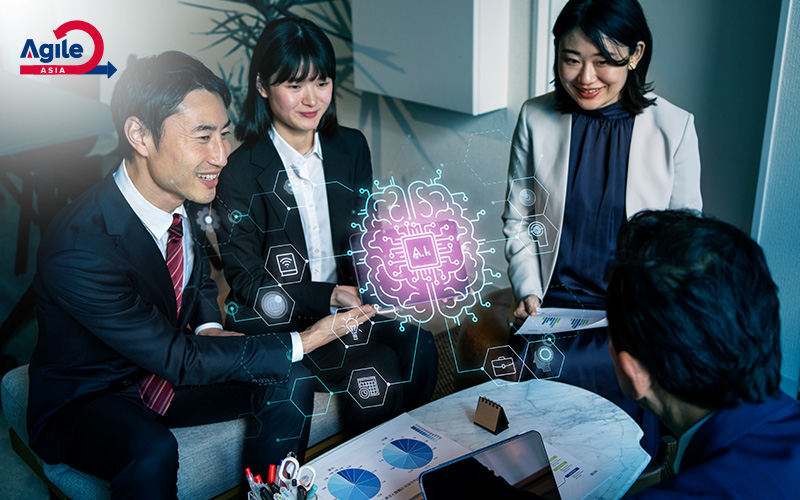
Generative AI is changing the way projects are planned, executed, and delivered. Unlike traditional automation tools, generative AI does more than streamline repetitive tasks. It actively contributes to decision-making processes by analysing data, drafting content, proposing timelines, and even identifying potential risks before they escalate. As organisations across industries embrace digital transformation, project managers must learn how to adapt to these tools to stay relevant.
Today, project managers are expected to go beyond scheduling and resource allocation. They must also understand how to work with AI-powered systems that can generate reports, summarise team communications, and support stakeholder engagement at scale. This calls for new capabilities, particularly the ability to prompt AI tools effectively and evaluate their outputs with a critical eye.
It is therefore essential to develop AI skills for project managers. These include understanding how large language models function, knowing when and how to use generative tools, and ensuring responsible usage according to organisational standards. With these skills, project managers can reduce manual effort, improve clarity in communications, and make more informed, data-driven decisions.
The growing reliance on generative AI is also changing the role of the project manager. The emphasis is moving from task management to orchestration—managing tools, people, and information flows in real time. Project managers with AI skills will ultimately be better positioned to lead high-performing teams and embrace the fast pace of technological change.
2.2. Sustainability as a Core Project Management Competency
Sustainability is now a central benchmark for success in project planning. Organisations from many industries around the world are being held to higher standards when it comes to social and environmental responsibility. For project managers, this means integrating sustainability in project management from the very start, ensuring that goals align with broader organisational values and regulatory frameworks.
Project teams today must account for environmental, social, and governance (ESG) criteria, not only to comply with emerging regulations but also to meet the expectations of clients, investors, and communities. This includes minimising environmental impact, ensuring ethical procurement, and creating socially responsible project outcomes. As a result, green project management practices like carbon footprint tracking, sustainable sourcing, and lifecycle assessments are becoming essential tools in the modern project manager’s toolkit.
This change also intersects with technology. Many organisations now use AI to measure emissions, track supply chain sustainability, and automate ESG reporting. This is why building AI skills for project managers helps support both digital efficiency and responsible project delivery. AI can uncover inefficiencies, recommend eco-friendlier alternatives, and streamline reporting, all of which support sustainability goals.
To develop these skills, professionals can turn to structured programmes such as a project management course with a sustainability focus, or an AI project management course that includes ESG applications. Earning an AI project management certification or generative AI certification can further equip project managers to balance technological advancement with sustainable practice.
2.3. How Generative AI Tools Are Used in Project Management
Generative AI tools are increasingly integrated into project workflows to support planning, communication, and analysis. Their role continues to expand as teams explore new ways to apply content generation, language modelling, and data summarisation to everyday project tasks.
- Documentation Support: Project managers utilise generative AI to assist with drafting meeting notes, progress summaries, and stakeholder updates. This automation streamlines written outputs, allowing teams to save time and focus on strategic activities. Efficient documentation also improves consistency in communication, a key factor in successful project delivery.
- Data Interpretation: These tools are often used to review large datasets, identifying potential issues and uncovering insights that inform project decisions. Generative AI can analyse patterns and anomalies that might be overlooked in manual reviews, enhancing a project manager’s ability to anticipate risks and opportunities.
- Communication Clarity: Generative AI helps frame messages tailored for different audiences, reducing misalignment and supporting more consistent project communications. By adjusting tone and content to suit stakeholders’ needs, project managers can ensure clearer understanding and better engagement across teams and clients.
- Planning Adjustments: Some project teams use generative AI tools to model alternative scenarios, adjust timelines, or simulate project impacts based on shifting priorities. This capability supports dynamic project planning, helping managers respond quickly to changes while maintaining control.
- Workflow Efficiency: Routine tasks such as reporting, task descriptions, and documentation templates are often initiated with generative AI before being reviewed and refined by humans. This blend of automation and human oversight speeds up processes while maintaining quality and accuracy.
However, these tools should enhance human judgement and not replace it. Project managers need the right AI skills to supervise and interpret AI outputs reliably and responsibly. With appropriate oversight, these tools can significantly increase productivity and consistency across the project lifecycle.
Part 3: Upskilling Strategies and Essential Competencies

3.1. Core Generative AI Skills Project Managers Need to Develop
To fully utilise generative AI tools in their workflows, AI skills for project managers must be built on a strong foundation. These skills enable them to not only operate AI-powered platforms but also to critically interpret and apply AI-generated outputs to enhance project outcomes.
- Developing data literacy and a working understanding of how generative models support project tasks: A key AI skill for project managers is the ability to understand how generative AI systems function, including large language models and data training. This knowledge helps them recognise the strengths and limitations of AI, improving their ability to work alongside these tools effectively.
- Gaining proficiency in tools that use generative AI for project documentation, reporting, scheduling, and stakeholder engagement: Familiarity with AI-driven software solutions allows project managers to automate routine tasks, produce more accurate reports, and streamline communications. Mastering these tools saves time and reduces manual errors, increasing overall efficiency.
- Understanding the ethical dimensions of generative AI, including transparency, bias mitigation, and responsible use: As AI technologies raise important ethical considerations, project managers with strong AI skills are better equipped to ensure fair and transparent use of AI within projects. This includes recognising potential biases in AI outputs and maintaining accountability.
- Building confidence in collaborating with data engineers and AI specialists to integrate generative tools into workflows: Successful AI adoption often requires cross-functional teamwork. Project managers with AI skills can partner with technical experts more effectively to customise AI applications that meet project needs.
For those who want structured support, consider enrolling in a Certified Generative AI in Project Management course from leading institutions like AgileAsia. These programmes provide hands-on training in real-world use cases, prompt writing, and ethical AI application. They are designed to help professionals in Singapore remain relevant in a future where technology is increasingly woven into every step of project delivery.
3.2. Building Sustainability Expertise in Project Management
Besides developing AI skills for project managers, there should also be equal consideration towards building sustainability expertise to lead projects with global environmental and social priorities. This complements the technical skills and strengthens the overall effectiveness of a project manager.
- Familiarity with sustainability frameworks and green project management methodologies: Project managers should understand widely recognised frameworks such as the UN Sustainable Development Goals (SDGs), ISO 14001, and other ESG criteria. These frameworks guide how to incorporate sustainability into project objectives, procurement, and evaluation, helping ensure projects contribute positively to organisational and societal goals. Project managers are also encouraged to enrol in ESG courses to further their understanding of how sustainability can be effectively incorporated into these projects.
- Techniques for measuring and managing carbon footprints and other environmental impacts: Knowing how to assess and minimise the environmental footprint of a project is a vital skill. This involves evaluating resource consumption, waste generation, and emissions, then implementing strategies to reduce them, such as using renewable materials or optimising logistics.
- Incorporating sustainability metrics and reporting into project planning and execution: Integrating clear sustainability indicators into project plans enables managers to track progress against green goals and communicate results to stakeholders. Transparent reporting supports accountability and continuous improvement.
- Effective stakeholder communication on sustainability topics to foster buy-in and transparency: Building awareness and engagement around sustainability requires clear messaging tailored to diverse stakeholders. Project managers with strong AI skills can leverage AI-driven communication tools to craft impactful narratives and facilitate dialogue.
By combining sustainability knowledge with AI skills, project managers can lead future-ready projects that deliver value whilst respecting environmental and social responsibilities.
FAQs
1. How can project managers start using Generative AI tools without a technical background?
Many generative AI tools are designed for non-technical users. Features like drag-and-drop interfaces, auto-generated prompts, and project templates make it easy to get started. Project managers can begin by using AI for writing reports, summarising meetings, or modelling timelines. Over time, project managers can build relevant AI skills through hands-on use and deepen their understanding with structured training, such as AgileAsia’s AI project management course.
2. What are the most important sustainability practices for project managers?
Project managers should embed sustainability in project management from the outset. This means setting clear ESG goals, sourcing responsibly, reducing waste, and incorporating sustainability metrics into progress reporting. Building both sustainability expertise and developing AI skills, project managers are better equipped to make better decisions through data-driven tools whilst ensuring that their projects are environmentally sustainable. Learning from ESG courses and applying green project management practices helps align your projects with local regulations and global development standards.
3. How is Generative AI changing the way project management is practised?
Generative AI is helping project managers automate repetitive tasks, identify risks, and improve communication. Instead of manually gathering data or writing updates, managers can use AI tools to save time and gain deeper insights. This encourages more strategic thinking and highlights the importance of developing AI skills for project managers.
Generative AI and sustainability are the two main driving factors behind the evolution of how a project manager functions today. In order to succeed in an ever-changing landscape, project managers must develop a balanced mix of digital fluency and strategic thinking. Project managers with AI skills are able to harness AI-driven tools that improve efficiency, enhance communication, and support faster, more insight-driven decision-making. At the same time, integrating sustainability principles throughout the project lifecycle ensures alignment with growing environmental and social expectations, helping projects deliver long-term value.
Additionally, project managers with AI skills as well as sustainability expertise will be better prepared to lead future-ready initiatives. Mastering data literacy, ethical AI use, and green project management practices is essential for navigating complex projects with high stakeholder demands and regulatory standards. Furthermore, ongoing adaptability and a commitment to continuous learning are critical for staying relevant as AI technologies evolve and sustainability requirements become more rigorous.
Here at AgileAsia, we recognise the importance of adapting and embracing modern advancements in the workplace. This is reflected through the programmes that we offer, including our Certified Generative AI in Project Management course, which is designed to equip project managers with AI skills whilst staying committed to sustainability. By investing in these future-proof skills, project managers can confidently drive impactful projects that support organisational success and positive global outcomes.
For more information about our courses and programmes, please contact us today.