Key Takeaway
- Agile talent acquisition today focuses on mindset, adaptability, and teamwork; not just frameworks and tools.
- Employers are looking for candidates with strong communication, curiosity, and problem-solving skills to meet rising Agile skills demand.
- Certifications like the CSM and CSPO continue to be vital, but they need to be supported by lived experience and Agile thinking.
Commitment to Agile Thinking and Practices
Agile is not a checklist of prerequisites. Recruiters want to see that you understand the “why” behind the frameworks. Whether you work with Scrum, Kanban, or Lean, you should be able to explain how you apply Agile thinking to tackle changing priorities or team dynamics.
The most sought-after candidates can describe how they adapt ceremonies like sprint planning or retrospectives to suit team needs, rather than sticking rigidly to templates. This practical and flexible approach shows that you understand the human side of Agile delivery and how to apply it contextually, which is an increasingly important distinction in Agile talent acquisition today.
Having completed a CSM or Agile certification certainly helps, but recruiters now expect you to show how you have applied that learning in real projects, instead of just obtaining excellent grades.
Belief in Collaboration and Open Communication

Agile is built on collaboration. In interviews, hiring managers often probe how you have worked with cross-functional teams, facilitated discussions, or handled difficult conversations. The emphasis is on how you contribute to a culture of collaboration, not just how you complete your own tasks.
Strong communication across departments, clients, and stakeholders is a crucial skill. Recruiters also want to see how you maintain transparency and adaptability when the direction of a project changes. Sharing examples where you worked with Product Owners, developers, or external stakeholders to align goals and resolve conflicts will demonstrate your team-first approach. Amidst today’s Agile skills demand, this remains one of the most important demonstrations of said abilities.
Dedication to Problem Solving and Continuous Learning

A growth mindset is one of the most valued soft skills in Agile environments. Recruiters are looking for individuals who are not just task-oriented but also driven to improve systems, solve problems, and learn continuously.
Curiosity, adaptability, and initiative are increasingly important traits when it comes to Agile talent acquisition. Whether you are learning from a sprint that went poorly or actively experimenting with ways to streamline team velocity, your ability to reflect and improve makes you stand out.
While a CSM certification may crack the door open for you in the industry, showing how you used that learning to rethink a workflow or solve a recurring delivery issue is what leaves a lasting impression.
Respect for Tools That Support Agile Delivery
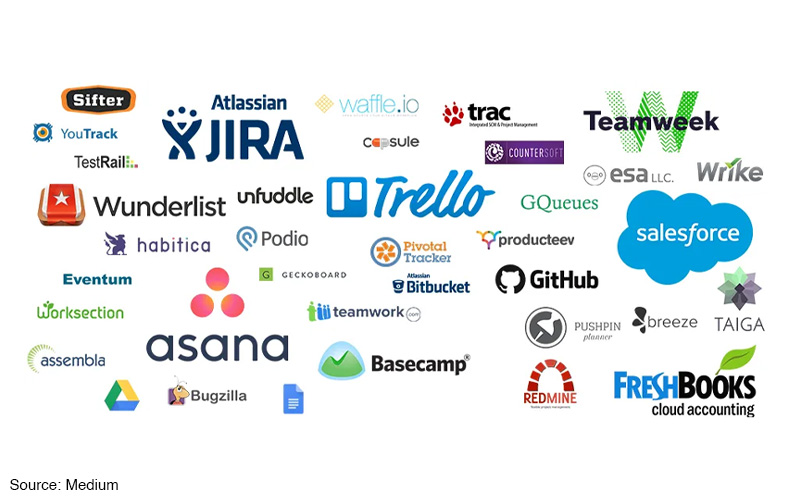
Agile is people-centred, but tools still matter. Agile talent acquisition today prioritises candidates who understand which tools support the team’s delivery, and how they are best used.
Being proficient in Agile tools like Jira, Confluence, Trello, or even Miro, is not about knowing the interface; it is about using them to improve transparency, simplify reporting, or enhance collaboration. A working knowledge of automation and integrations that reduce admin overhead can also make you more attractive to hiring teams.
During interviews, be prepared to explain how you have used Agile tools to manage backlogs, measure sprint outcomes, or align dispersed teams. This ability reinforces your practical contribution and signals that you are ready to deliver value from day one.
In 2025 and beyond, the most successful Agile professionals will be those who can back up technical knowledge with strong interpersonal skills, a flexible mindset, and a clear understanding of how Agile values work in practice. As Agile talent acquisition continues to evolve, recruiters are leaning towards holistic assessments of mindset, capability, and communication above academic qualifications alone.
To stand out in this competitive market, it is important to keep building on your foundation, both in practice and through professional development. A Certified Scrum Product Owner (CSPO) course is one such opportunity, designed to help you cultivate the mindset and techniques that recruiters are actively seeking.
AgileAsia is a trusted Agile certification provider in Singapore, offering programmes designed to equip professionals with real-world knowledge, leadership skills, and Agile fluency that will help you build a successful and meaningful career in the industry. Check out our CSM course details to have a better understanding of what to expect in similar Agile-oriented programmes.
To learn more about the rest of our courses, please contact us today.